Silica Exposure in Construction: Historical Evolution, Current Challenges, and Future Regulatory Directions
Historical evolution, current challenges, and future regulatory directions
Silicosis has been recognised as an occupational hazard for centuries, with historical accounts dating back to Roman times [1]. Early regulatory efforts primarily focused on dust suppression and ventilation in mines and quarries [2]. The 20th century saw a growing body of research documenting the detrimental effects of silica exposure in construction work, leading to the establishment of occupational exposure limits (OELs) by various regulatory bodies [3]. Recent scholarship has highlighted the limitations of existing regulations, particularly regarding:
- Enforcement challenges: Studies have documented inconsistent enforcement and a lack of resources dedicated to workplace inspections [4].
- Evolving technologies: The emergence of new construction practices, such as dry-cutting techniques, has generated debate on the adequacy of current OELs [5].
- International disparities: Regulatory frameworks vary significantly across countries, with developing nations often having less stringent regulations [6].
Despite advances in occupational health policies, the construction industry continues to grapple with the effective management of silica-related risks. This study will compare international regulatory frameworks, their enforcement, and their efficacy in reducing silicosis incidences. By integrating diverse academic, industrial, and governmental perspectives, the project will highlight best practices and pinpoint gaps in current regulations.
Therefore, the methodology of this research involves conducting a systematic literature review to examine historical data, current reports and scholarly articles, complemented by comparative analysis of international regulatory frameworks and in-depth interviews with industry experts to assess the efficacy and impact of silica-related regulations in the construction industry.
In addition, the proposed project will investigate how emerging technologies and materials, such as geopolymers and bio-based polymers, are influencing regulatory updates and industry adoption. The ultimate goal is to provide comprehensive insights that inform stakeholders and contribute to shaping future regulations that enhance worker safety without sacrificing industry innovation.
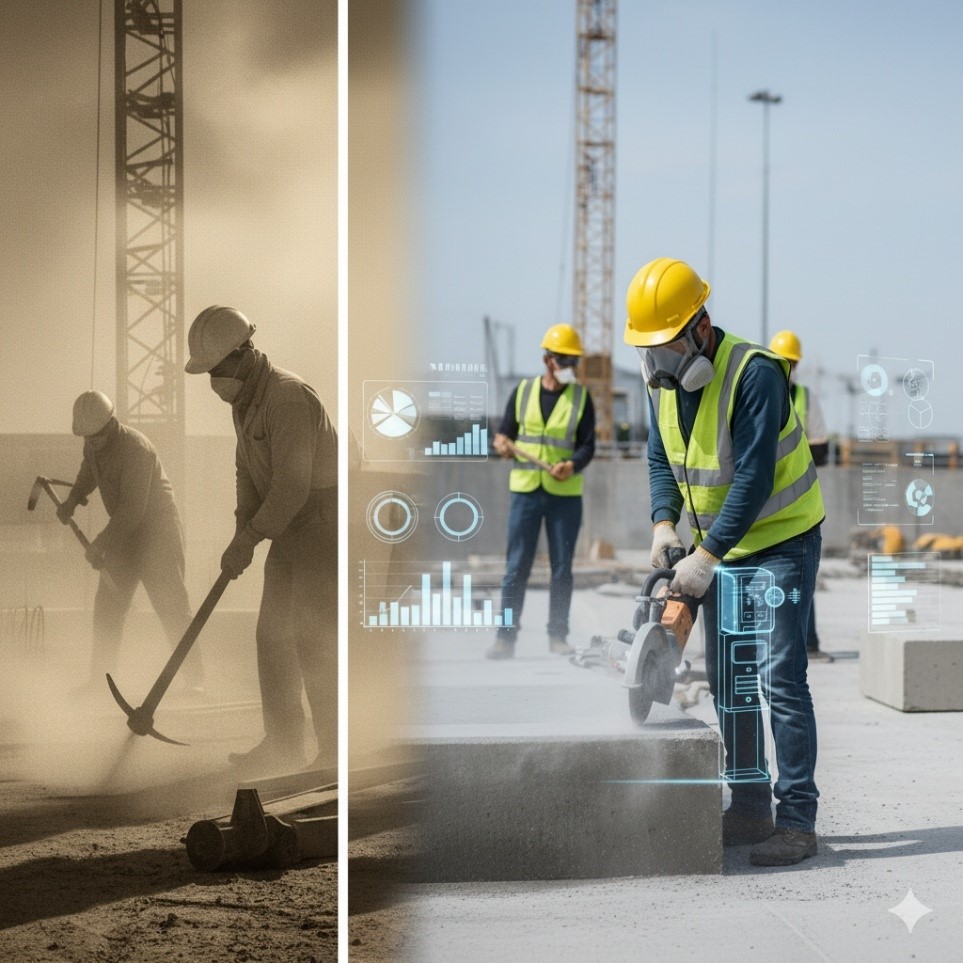 Source: Image generated by Gemini